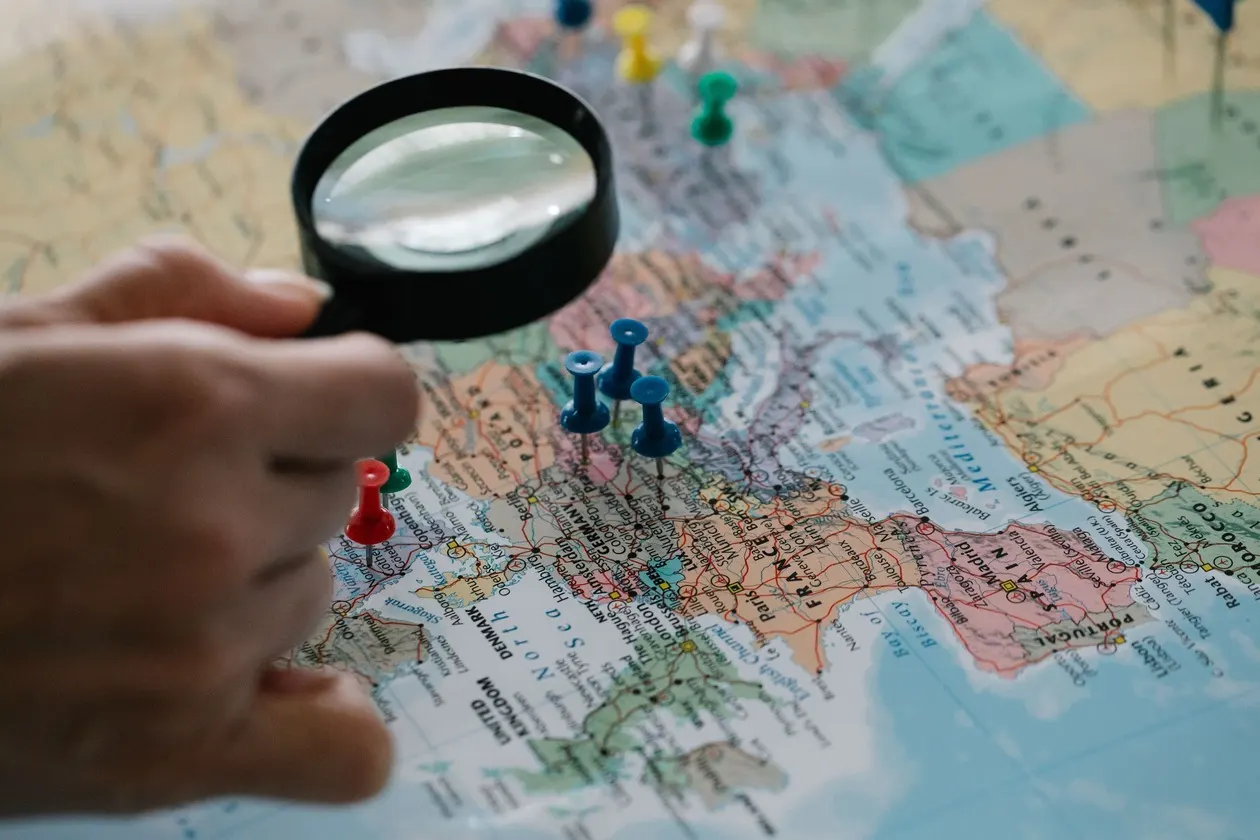
Location pages SEO helps businesses target customers searching for products or services in specific towns, cities and neighbourhoods. A business serving Nairobi, Mombasa, Kisumu, Nakuru and Eldoret can create dedicated pages for each location, but simply copying the same page and changing the town name is not a good strategy.
Each location page needs a genuine reason to exist.
It should provide useful information about the service, the location, the customers you serve there and what makes that location relevant to your business.
What Are Location Pages?
A location page is a dedicated website page designed to target a specific geographic area.
For example, a web design company serving different parts of Kenya could have pages such as:
- Web Design Nairobi
- Web Design Mombasa
- Web Design Kisumu
- Web Design Nakuru
- Web Design Eldoret
A business with physical branches might create pages for each branch.
A service-area business might create pages for towns where it regularly serves customers.
The purpose is to make it clear to both users and search engines that your business serves that particular location.
Why Location Pages Matter for Local SEO
People do not always search for a service using a generic national keyword.
They often include a location.
Someone might search:
“web designer Nairobi”
Another person might search:
“web design company Mombasa”
Someone in Nakuru could search:
“website developer Nakuru”
These searches give Google an additional signal about the area relevant to the search.
A well-built location page gives your business an opportunity to provide information specifically related to that search.
But there is an important distinction.
Creating a location page does not automatically make your business locally relevant.
The page needs useful, accurate information and the business should genuinely serve the location.
The Biggest Location Page Mistake
The most common mistake is creating one page and copying it dozens of times.
For example:
Website Design Nairobi
We provide professional website design services for businesses.
Then:
Website Design Mombasa
We provide professional website design services for businesses.
Then:
Website Design Kisumu
We provide professional website design services for businesses.
The only meaningful change is the location name.
That is not a strong location strategy.
The pages do not provide much additional value.
Changing “Nairobi” to “Mombasa” does not suddenly make the content useful to someone in Mombasa.
What Is Duplicate Content?
Duplicate content is content that is substantially similar or identical across multiple pages.
Not every repeated sentence on your website is automatically a serious SEO problem.
Businesses naturally repeat information such as:
- Phone numbers
- Business descriptions
- Service names
- Opening hours
- Terms
- Contact information
The bigger problem is creating multiple pages that offer almost no unique value.
If you create 50 location pages containing essentially the same paragraphs, Google has little reason to treat each page as a useful resource.
Your goal should not simply be to create more URLs.
Your goal should be to create more useful pages.
How to Decide Which Locations Need Their Own Pages
Do not create a page for every town listed on a map.
Start with locations where there is a genuine business reason.
Ask:
Do we actually serve customers here?
Do we have customers here?
Do people search for our service here?
Can we provide useful information about serving this location?
Is this location commercially important to the business?
For example, a company based in Nairobi that regularly serves clients in Westlands, Kilimani, Karen and Lavington has a stronger reason to discuss those areas than a company that has never worked there.
Location pages should reflect your actual market.
Physical Locations vs Service Areas
There is an important difference between having a physical location and serving an area.
A company might have an office in Nairobi but serve customers throughout Kenya.
It can still communicate that it serves customers in:
- Mombasa
- Kisumu
- Nakuru
- Eldoret
- Thika
- Kiambu
However, it should not imply that it has an office or branch in every one of those towns if it does not.
Be accurate.
If your business operates remotely, say so.
If you travel to customers, explain that.
If you have a physical branch, provide the real address and relevant branch information.
Trust matters in local SEO.
What Should a Location Page Include?
A useful location page should contain information that helps someone in that specific area understand your business.
Depending on the business, include:
The Location and Service
Make the page immediately clear.
For example:
Website Design Services in Kisumu
Explain what service you provide and how it relates to customers in Kisumu.
Areas You Serve
If relevant, mention nearby areas, estates or towns that you genuinely serve.
For example, a business serving Kisumu might work with customers in:
- Kisumu CBD
- Milimani
- Mamboleo
- Manyatta
- Kondele
- Maseno
Only mention areas that are relevant to the actual service area.
Local Customer Problems
Explain problems customers in that market may need help solving.
For a web design company, that could include:
- Businesses needing an online presence
- E-commerce businesses selling beyond Kisumu
- Organisations needing better websites
- Local businesses wanting to generate enquiries online
The content should remain useful rather than relying on stereotypes about the location.
Your Process
Explain how customers in that location can work with you.
For example:
- Online consultation
- Discovery call
- On-site meeting where applicable
- Project planning
- Design
- Development
- Testing
- Launch
- Maintenance
Relevant Work
If you have actually completed projects for businesses in that location, this is valuable.
You can mention:
- Client industry
- Project type
- Business problem
- Solution
- Result
Real local work is much stronger than generic claims.
Local Contact Information
If you have a genuine branch, include its:
- Address
- Phone number
- Opening hours
- Directions
- Relevant contact details
Do not create fake addresses to make a page look local.
How to Make Each Location Page Unique
The goal is not to rewrite the same sentence 20 different ways.
The goal is to make each page genuinely useful.
Consider the differences between locations.
A page for Nairobi could discuss serving businesses across areas such as Westlands, Kilimani, Karen and the CBD.
A page for Mombasa could discuss serving businesses across Mombasa Island and nearby areas.
A page for Kisumu could discuss businesses across Kisumu and surrounding areas.
The service remains the same.
The local context changes.
You can also include genuinely different:
- Client examples
- Case studies
- Local service areas
- Customer questions
- Projects
- Testimonials
- Directions
- Branch information
- Photos
- Local events relevant to the business
- Delivery or service arrangements
Do Not Force Local Keywords Into Every Sentence
A common mistake is keyword stuffing.
For example:
We are the best web design company in Nairobi offering web design Nairobi businesses need for Nairobi website design.
This sounds unnatural.
A better approach is to write naturally.
Mention the location where it helps the reader understand the service.
Your primary keyword can appear in important areas such as:
- Page title
- H1
- Introduction
- Relevant headings
- Body content
- Image alt text where appropriate
- Internal links
But it should not dominate every sentence.
Create a Useful Page Structure
A location page could follow this structure:
H1
Website Design Services in Mombasa
Introduction
Explain who you serve and what you offer.
Services
Explain the specific services available.
Why Businesses in Mombasa Need the Service
Address relevant customer problems.
Areas We Serve
Mention genuine nearby service areas.
Our Process
Explain how customers work with you.
Projects or Case Studies
Show relevant work if available.
Frequently Asked Questions
Answer real questions customers ask.
Contact
Give the visitor one clear next step.
The exact structure will depend on the business.
Build Location Pages Around Real Search Intent
Not every location search means the same thing.
Someone searching:
“web design Nairobi”
may want a company.
Someone searching:
“web design companies in Nairobi”
is likely comparing providers.
Someone searching:
“website development cost Nairobi”
may be researching prices.
The location page should match the intent behind the search.
Do not try to make every page rank for every possible keyword variation.
Build a page around the actual service and location.
What About Towns With Low Search Volume?
You do not need to create a page for every town simply because your business technically serves it.
If there is little search demand, little commercial value and no unique information you can provide, a dedicated page may not be necessary.
You could instead have a broader service-area page.
For example:
Website Design Services Across Kenya
This page can explain the areas you serve and how customers in different locations can work with you.
Then create individual location pages for your most important markets.
A Better Location Page Structure for Kenya
Suppose a business serves customers across Kenya.
You might structure the website like this:
Services
- Website Design
- E-commerce Development
- SEO
- Branding
Locations
- Nairobi
- Mombasa
- Kisumu
- Nakuru
- Eldoret
Each location page can then connect to the relevant services.
For example:
Nairobi
→ Website Design Nairobi
→ SEO Services Nairobi
→ Branding Nairobi
The exact structure should reflect what the business actually sells.
Do not create hundreds of combinations unless there is a genuine reason for each page.
Avoid the “City + Service” Page Factory
One dangerous approach is automatically generating pages for every combination.
For example:
- Web Design Nairobi
- SEO Nairobi
- Branding Nairobi
- Web Design Mombasa
- SEO Mombasa
- Branding Mombasa
- Web Design Kisumu
- SEO Kisumu
- Branding Kisumu
Then copying the same content onto every page.
This can quickly produce hundreds of thin pages.
More pages do not automatically mean more rankings.
If a location page does not provide unique value, consider whether it needs to exist.
Add Genuine Local Proof
One of the strongest ways to make a location page useful is to show real evidence.
Suppose you completed a website project for a business in Nakuru.
A location page targeting Nakuru could include a short case study explaining:
Client: Local retail business
Location: Nakuru
Problem: The business needed an online catalogue and enquiry system.
Solution: Responsive website with product pages and WhatsApp enquiry integration.
Result: The client gained a central platform for showcasing products and receiving enquiries.
Use real information.
Do not invent client results, locations or performance figures.
Use Testimonials Carefully
A testimonial from a customer in a particular town can provide useful local context.
For example:
“The new website made it much easier for customers to find our services online.”
If the customer has agreed to have their name, company and location published, you can provide that context.
Do not create fake local testimonials just to strengthen a location page.
Add Local FAQs
Frequently asked questions can help make each location page more useful.
For example:
Do you provide web design services in Kisumu?
Answer accurately based on how your business operates.
Can we work with you remotely?
Explain your actual process.
Do you serve businesses outside Kisumu CBD?
List genuine service areas where appropriate.
Can you meet clients in person?
Explain whether meetings are available and under what circumstances.
The questions should come from real customer concerns.
Do not create FAQ sections simply to insert additional keywords.
Location Pages and Google Business Profile
Your website location pages should align with your real business information.
If you have a physical branch, the information on the location page should be consistent with your Google Business Profile.
That includes information such as:
- Business name
- Address
- Phone number
- Opening hours
- Website
- Services
If your business does not have a physical location in a particular town, do not create the impression that it does.
A service-area business should communicate its service model clearly.
Location Pages Should Be Useful on Mobile
Many Kenyan customers will access your website from a phone.
Your location pages should therefore make important information easy to find.
A visitor should quickly see:
- What you offer
- Where you serve
- How to contact you
- Whether you serve their area
- What happens next
Avoid forcing visitors through large blocks of text before they can find basic information.
Use:
- Short paragraphs
- Clear headings
- Lists
- Buttons
- Maps where relevant
- Click-to-call options
- WhatsApp contact where appropriate
Use Internal Links Between Locations and Services
Your location pages should not exist in isolation.
A Nairobi location page could link to relevant services.
A service page can link to important location pages.
A blog article about local SEO can also reference relevant location content.
This creates a clearer website structure.
For example:
Local SEO Service
↓
Local SEO Nairobi
↓
Google Business Profile Guide
The exact structure will depend on your business.
The key is to make the relationship between services, locations and educational content clear.
What Should You Do With Similar Locations?
Some locations will naturally have similar information.
That is normal.
The goal is not to make every page completely unrelated.
The service itself may be the same.
What should change is the information that is genuinely specific to the location.
For example:
- Service area
- Branch details
- Client examples
- Testimonials
- Local FAQs
- Projects
- Directions
- Local customer needs
- Delivery information
Keep standard company information where necessary.
Do not rewrite basic facts simply to make the page appear different.
When Should You Combine Locations?
Sometimes one page is better than several weak pages.
If you serve many small towns but have little unique information about each one, create a broader regional page.
For example:
Web Design Services in Western Kenya
could cover several towns where you serve customers.
Or:
Website Development Services Across Kenya
could provide an overview of your nationwide service.
You can then create dedicated pages for locations that have enough demand and business relevance to justify them.
How Many Location Pages Should You Create?
There is no universal number.
A business with three physical branches might need three branch pages.
A national service business might have several important location pages.
A business serving hundreds of towns may need a combination of national, regional and priority-city pages.
Start with locations that have:
- Real customers
- Strong commercial relevance
- Meaningful search demand
- Genuine service availability
- Enough information to create a useful page
Quality should determine the number of pages, not an arbitrary target.
A Practical Location Page Template
You can use this framework when creating a new page.
H1: Service + Location
Opening: Who you serve and what you provide.
Service Overview: Explain the service.
Local Relevance: Explain why customers in the location may need it.
Areas Served: List genuine nearby areas.
Process: Explain how customers work with you.
Local Work: Add relevant projects, case studies or testimonials.
FAQs: Answer genuine customer questions.
Contact: Give one clear next step.
Before publishing, ask:
Would someone living or operating in this location find this page genuinely useful?
If the answer is no, the page probably needs more work.
Location Page SEO Checklist
Before publishing a location page, check:
- Does the business genuinely serve the location?
- Is the service clearly defined?
- Does the title include the location naturally?
- Does the H1 clearly describe the page?
- Does the introduction answer the visitor’s question?
- Is there useful location-specific information?
- Are service areas accurate?
- Are local claims genuine?
- Is there real customer or project evidence where available?
- Are local FAQs based on real questions?
- Is the content substantially useful rather than copied?
- Does the page work well on mobile?
- Are relevant service pages linked?
- Is the contact information accurate?
- Is there one clear call to action?
The Honest Rule for Location Pages
Do not create a location page because someone told you that “more pages means more rankings.”
Create it because you have something useful to say about serving that location.
A page for Nairobi should help someone looking for your service in Nairobi.
A page for Mombasa should give a Mombasa visitor useful information.
A page for Kisumu should have a genuine reason to exist.
That does not mean every sentence must be completely different.
It means every page should provide enough value to stand on its own.
Final Takeaway
Location pages SEO can help businesses target customers searching for services in specific towns and cities across Kenya.
But the strategy should never be about creating hundreds of pages with the same content and replacing one town name with another.
Build location pages around real markets you serve.
Give each important location useful information.
Include genuine local proof where available.
Explain how customers in that area can work with you.
Connect location pages to relevant services and supporting content.
Most importantly, create pages for people first.
If a location page genuinely helps someone decide whether your business can serve them, it has a reason to exist.
If your business serves multiple towns across Kenya, Elon Designs can help structure your location pages so they target local searches without turning your website into a collection of thin, duplicated pages.
Leave a Reply