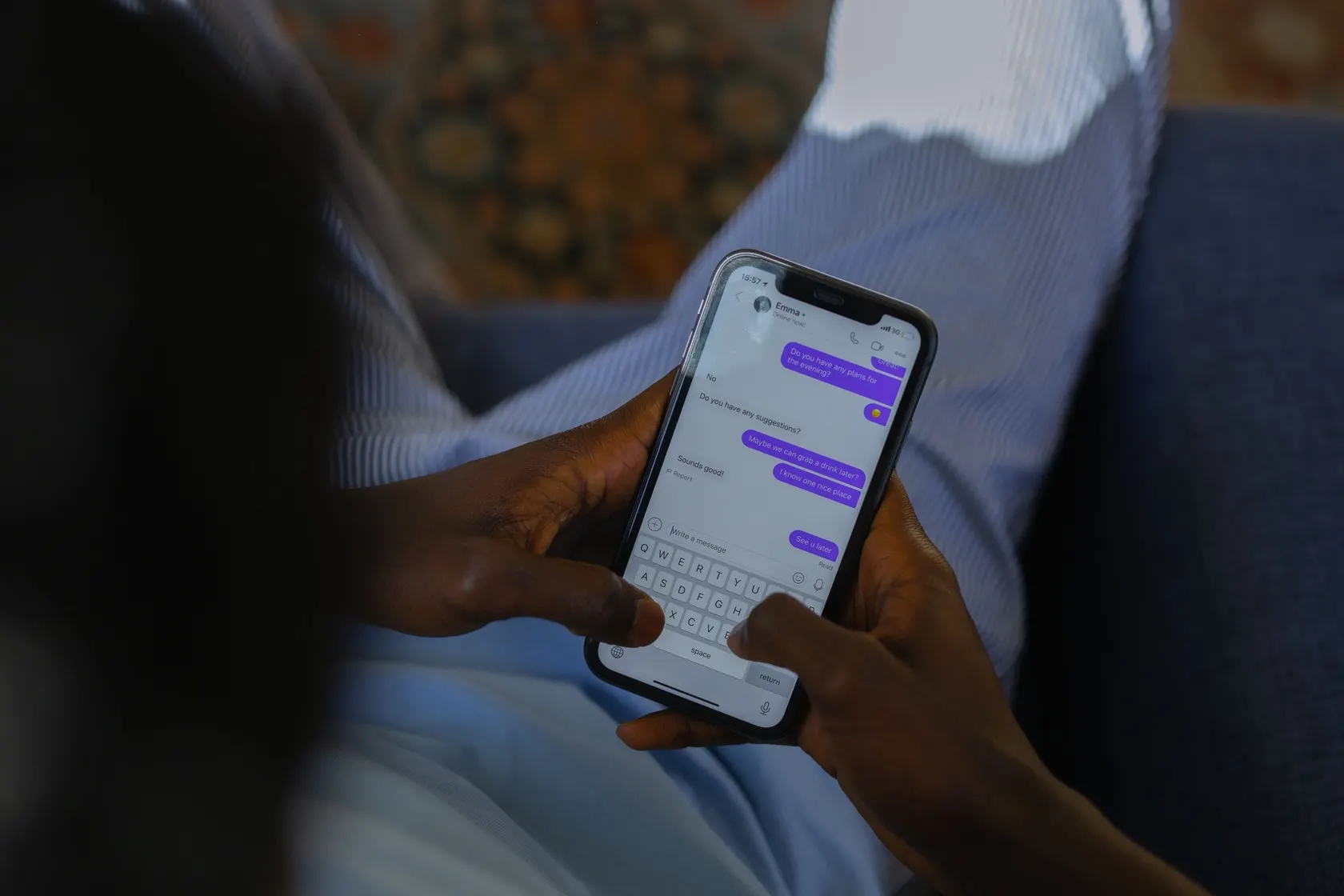
Bulk SMS Kenya services allow businesses to send text messages to many recipients at once, making it easier to share announcements, reminders, order updates and promotional offers. For businesses that need to reach customers directly on their mobile phones, SMS can still be a practical communication channel.
Think of a school sending fee reminders, a clinic confirming appointments, a retailer announcing a weekend offer or a service provider notifying customers about a scheduled visit. These messages are short, direct and do not require the recipient to have a smartphone or mobile data connection.
However, bulk SMS is not automatically the best choice for every marketing campaign. Costs vary by provider, message length, sending volume and sender ID requirements. Businesses must also consider customer consent, privacy and responsible messaging.
This guide explains how bulk SMS works in Kenya, what it costs, which rules to consider and how to decide whether it belongs in your marketing strategy.
What Is Bulk SMS?
Bulk SMS is the process of sending text messages to multiple phone numbers through a messaging platform or service provider.
Instead of typing individual messages on a phone, you upload or connect a contact list, write your message and send it through a dashboard or software integration.
Depending on the provider, features may include:
- Contact list management and segmentation.
- Personalised messages using customer names or other fields.
- Scheduled campaigns.
- Delivery reports.
- Branded sender IDs.
- Application programming interfaces (APIs) for automated messaging.
- Two-way messaging where supported.
For example, an online shop could use bulk SMS to notify customers that their orders have been dispatched. A business could also send an appointment reminder to customers who have agreed to receive those communications.
The best use cases depend on the message’s purpose, the recipient’s expectations and the capabilities of the provider.
Why Bulk SMS Still Works for Kenyan Businesses
Email, WhatsApp and social media have changed how businesses communicate, but SMS still has practical advantages.
1. It Reaches Customers Without Mobile Data
SMS does not require a recipient to have an active mobile internet connection. That makes it useful for important updates where access to mobile data cannot be assumed.
2. It Supports Time-Sensitive Communication
Appointment reminders, collection notifications, delivery updates and urgent service announcements often work well as short messages.
The customer receives the information directly on their phone without needing to open a social media feed.
3. It Is Suitable for Short Messages
SMS works best when the communication has one clear purpose. A short reminder with a date, time and contact number can be easier to act on than a lengthy email.
4. It Can Connect With Business Systems
Businesses can integrate SMS into websites, booking platforms, payment systems and other applications through an API, subject to the provider’s capabilities.
For example, a booking system could trigger a confirmation message after a customer schedules an appointment.
5. It Complements Other Marketing Channels
SMS does not have to replace WhatsApp, email or social media. Each channel has a different role.
A business could use email for detailed information, WhatsApp for conversations and SMS for short reminders or essential updates.
When Should You Use Bulk SMS?
Bulk SMS is most useful when the information is short, relevant and actionable.
| Use case | Example message purpose |
|---|---|
| Retail | Announce a relevant sale or product availability |
| Schools | Send authorised fee reminders or schedule updates |
| Clinics and salons | Confirm appointments or send reminders |
| E-commerce | Share order and delivery updates |
| Professional services | Remind customers about booked consultations |
| Events | Send registration confirmations and schedule changes |
| Financial services | Send appropriate account or transaction notifications |
| Customer retention | Remind customers about a relevant renewal or service |
Not every business needs bulk SMS. If your customers prefer detailed conversations, visual content or product demonstrations, WhatsApp, email or another channel may be more appropriate.
Choose SMS because it fits the message, not simply because a provider offers cheap credits.
How Much Does Bulk SMS Cost in Kenya?
Bulk SMS pricing varies by provider and package. Some providers charge a flat rate per message, while others offer volume-based tiers, different rates by network or separate fees for additional services.
As an illustrative market range, published Kenyan provider prices can run from roughly KSh 0.30 to KSh 1.00 or more per SMS, depending on the volume and package. Some large-volume or direct arrangements may quote different rates. These figures are examples from published pricing, not a universal market tariff. <Cite refs={[“turn582653search2″,”turn582653search6″,”turn582653search20”]} />
Example SMS budget
The following estimates use three example per-message rates to show how costs change with campaign size. They exclude any additional setup fees or charges that a provider may apply.
| Messages sent | At KSh 0.40 each | At KSh 0.60 each | At KSh 1.00 each |
|---|---|---|---|
| 500 | KSh 200 | KSh 300 | KSh 500 |
| 1,000 | KSh 400 | KSh 600 | KSh 1,000 |
| 5,000 | KSh 2,000 | KSh 3,000 | KSh 5,000 |
| 10,000 | KSh 4,000 | KSh 6,000 | KSh 10,000 |
These calculations assume one billable SMS segment per recipient. Longer messages may count as multiple segments, increasing the cost.
What affects the final price?
Message volume: Larger packages may have lower per-message rates, but buying more credits than you need can waste money.
Mobile networks: Pricing may differ across networks or routes, depending on the provider.
Sender ID registration: Using your business name instead of a generic sender may involve registration or setup charges. The fee and process depend on the provider and network.
Message length: Long texts may be billed as multiple SMS segments.
Additional features: API access, two-way messaging, dedicated support or other features may have separate pricing.
Credit expiry: Check whether unused credits expire and whether credits can be carried forward.
Before paying, ask for a complete quote covering message rates, taxes, sender ID fees, network coverage, credit validity and any additional charges.
How to Choose a Bulk SMS Provider in Kenya
The cheapest provider is not necessarily the best option. A low rate is less useful if messages are delayed, delivery reporting is limited or customer support is unavailable when a campaign fails.
Compare providers using the following checklist.
1. Check Network Coverage
Ask which Kenyan mobile networks the provider supports and whether the quoted rate applies to all of them.
If your customer base uses several networks, test delivery to the networks that matter to your business.
2. Confirm Sender ID Requirements
A sender ID is the name or identifier displayed as the message sender. A registered brand name can help recipients recognise your business.
Ask which documents are required, whether approval is needed for each network and how long the process may take. Do not assume that a sender ID will work across every network without registration.
3. Review Delivery Reports
Find out whether you can see message status reports and what those statuses actually mean.
A submitted message is not necessarily a successfully delivered message. Delivery reports can help identify problems, but they should be interpreted according to the provider’s reporting system.
4. Check API and Integration Options
If you plan to automate messages from a website, CRM or payment system, ask whether the provider offers a documented API, testing tools, error reporting and technical support.
5. Test Before Buying a Large Package
Run a small campaign to consenting test recipients on relevant networks. Check message formatting, sender identification, delivery timing and reporting.
Use the results to make an informed decision before committing a larger budget.
6. Compare Support and Reliability
Ask how the provider handles failed campaigns, delayed messages, account issues and technical problems.
Reliable support becomes especially important when you use SMS for appointment reminders, order updates or other time-sensitive communication.
Bulk SMS Rules in Kenya: What Businesses Should Consider
Sending bulk SMS involves more than uploading a phone-number list. Businesses need to consider data protection, marketing permissions and applicable telecommunications requirements.
The precise obligations depend on the purpose of the message, the information being processed and the services used. The following points are practical safeguards, not a substitute for legal advice.
1. Obtain Appropriate Permission for Marketing Messages
Do not assume that having someone’s phone number means you can send them unlimited promotions.
Explain what kind of communication a person is signing up for and obtain appropriate consent where required. Keep records of consent and the source of each contact.
For example, a customer who provides a number for delivery updates should not automatically be added to an unrelated promotional campaign without considering the applicable requirements.
2. Respect Opt-Out Requests
Give recipients a practical way to stop promotional communications, where applicable, and maintain an accurate suppression list.
If someone withdraws permission or objects to direct marketing, update your records and stop the relevant messages as required. Do not continue sending promotions simply because their number remains in an old spreadsheet.
3. Protect Customer Phone Numbers
Phone numbers are personal data when they identify or relate to an identifiable person.
Collect only the information you need, restrict access to contact lists and review how your SMS provider handles customer information. Avoid sharing or exposing recipient lists unnecessarily.
Kenya’s Data Protection Act and guidance from the Office of the Data Protection Commissioner (ODPC) are important starting points for understanding these obligations. <Cite refs={[“turn582653search1”]} />
Read the Office of the Data Protection Commissioner guidance and assess whether your business has any additional obligations, including registration requirements that may apply to your activities.
4. Use an Appropriate Sender ID
Follow your provider’s and mobile network’s requirements for sender identification. Do not assume you can use another organisation’s sender name or send from a branded identity without the necessary approval.
Confirm the registration process before planning a campaign around a particular sender ID. Requirements and approval timelines may vary.
5. Send Relevant Messages at Reasonable Times
Avoid sending marketing messages at unreasonable hours or repeatedly contacting recipients who have not engaged.
A good campaign should have a clear purpose, a relevant audience and a reasonable frequency.
6. Check the Rules for Your Specific Use Case
The Communications Authority of Kenya publishes telecommunications sector regulations and related information. Requirements may depend on the service and arrangement involved, so check the current rules and your provider’s conditions before launching a campaign. <Cite refs={[“turn582653search4″,”turn582653search5”]} />
For guidance on a specific legal question, consult the relevant regulator or a qualified professional rather than relying on a provider’s marketing claims alone.
How to Write a Bulk SMS That Gets Attention
SMS gives you limited space, so clarity matters.
Start With a Clear Identity
Tell the recipient who is contacting them, particularly if your sender ID does not make your business obvious.
Keep One Main Message
Avoid trying to promote several products, announce multiple events and request several actions in the same text.
Include a Relevant Call to Action
Tell the reader what to do next, such as confirming an appointment, checking an order or visiting a specific page.
Keep Links Clear and Trustworthy
If you include a link, use a destination that belongs to your business or is otherwise clearly legitimate. Avoid misleading links and unexpected requests for sensitive information.
Personalise Only When It Helps
Using a customer’s name or relevant appointment details can make a message more useful. Check your contact data before sending so that personalisation errors do not expose information or damage trust.
Example: Promotional Message
[Business Name]: Enjoy our weekend offer on selected products. Visit [website link] to view the details. To stop promotional messages, use [approved opt-out method].
Use this as a template only. Adapt the offer, sender identification and opt-out process to your provider’s requirements and applicable rules.
Example: Appointment Reminder
[Business Name]: Reminder of your appointment on [date] at [time]. Need to reschedule? Contact us on [business number].
Transactional or service messages should be limited to information relevant to the customer’s interaction with your business.
Bulk SMS vs WhatsApp vs Email
Choosing the right channel depends on the message, the audience and the action you want the customer to take.
| Feature | Bulk SMS | ||
|---|---|---|---|
| Requires mobile data | No | Yes | Yes |
| Best suited for | Short alerts and reminders | Conversations and richer interactions | Detailed information and newsletters |
| Visual content | Very limited | Supports rich media | Supports formatted content and attachments |
| Personalisation | Yes, with suitable tools | Yes, with suitable tools | Yes, with suitable tools |
| Common cost model | Per SMS segment or package | Depends on the service and applicable pricing | Depends on the platform and plan |
| Main consideration | Consent, message length and delivery | Customer preferences and platform rules | Deliverability, list quality and inbox placement |
There is no universal winner. A business may use SMS for an appointment reminder, WhatsApp for a customer conversation and email for a detailed guide.
Explore WhatsApp Business for Kenyan Companies and Email Marketing in Kenya: Tools, Costs and Deliverability to compare these channels in more detail.
How to Measure Bulk SMS Campaign Performance
Do not judge a campaign only by the number of messages sent.
Track metrics that reflect the campaign’s objective:
- Delivery rate: The proportion of submitted messages reported as delivered, according to the provider’s reporting method.
- Response rate: The proportion of recipients who respond, where responses are supported and tracked.
- Click-through rate: The proportion of recipients who click a campaign link, when link tracking is available.
- Conversion rate: The proportion of recipients who complete the intended action, such as booking or purchasing.
- Opt-out rate: The proportion of recipients who ask to stop receiving promotional messages.
- Cost per conversion: Campaign cost divided by the number of conversions attributed to it.
For example, if you spend KSh 3,000 on a campaign and generate 15 attributable bookings, the campaign cost per booking is KSh 200.
That figure does not automatically mean the campaign was profitable. Compare it with the value and margin of the bookings, and account for other costs where possible.
Use unique links, campaign codes or appropriate records to distinguish SMS-driven activity from other marketing channels.
Common Bulk SMS Mistakes to Avoid
Buying contact lists without checking permission. A large list is not valuable if recipients do not expect your messages or the campaign does not meet applicable requirements.
Choosing a provider based only on price. Delivery performance, support, sender ID registration and additional fees all affect the real cost.
Writing messages that are too long. Multiple SMS segments can increase costs. Edit the text to communicate one useful point.
Sending too frequently. Repeated irrelevant messages can cause complaints and opt-outs.
Ignoring campaign results. Without tracking, you cannot tell whether messages generate useful actions.
Using SMS for every communication. Some messages require detailed explanations, visual demonstrations or two-way conversations. Choose the channel that best serves the customer.
A Simple Plan for Starting With Bulk SMS
If your business is considering bulk SMS, follow these steps before investing in a large campaign.
- Define the objective. Decide whether you want to send reminders, updates, offers or another type of message.
- Identify the right audience. Use relevant contact records and verify that you have an appropriate basis for contacting recipients.
- Choose a provider. Compare network coverage, sender ID requirements, pricing, delivery reports and support.
- Prepare the message. Keep it concise, accurate and relevant.
- Test the campaign. Send to a small, appropriate test group and check the formatting and delivery reports.
- Send and monitor. Review results and respond appropriately to customer replies or opt-outs.
- Improve the next campaign. Use the data to refine your audience, timing and message.
Start with a campaign that has a clear purpose and a manageable budget. Expand only when the results justify doing so.
Frequently Asked Questions
How much does bulk SMS cost in Kenya?
Prices vary by provider, volume, network, message length and additional services. Published examples range from a few tens of cents to around one shilling or more per SMS. Request a current quote and confirm whether taxes, sender ID registration and other charges are included.
Do I need a sender ID for bulk SMS?
Requirements depend on the network, provider and type of messaging service. A registered sender ID can help customers recognise your business, but you should confirm the applicable registration and approval requirements before sending.
Is bulk SMS effective for marketing?
It can be effective when messages are relevant, timely and sent to an appropriate audience. Its usefulness depends on the campaign goal, customer preferences, message quality and the actions generated.
Can I send bulk SMS from my website?
Yes, if your provider offers an API or integration suitable for your website or business application. This can support automated messages such as confirmations and reminders. Check documentation, security, reporting and costs before implementing it.
Is bulk SMS better than WhatsApp?
Neither channel is always better. SMS is useful for short messages that do not require mobile data, while WhatsApp is useful for conversations and richer content. Choose based on the customer, message and desired outcome.
Can I use customer numbers collected during purchases for promotions?
Do not assume that collecting a number for one purpose gives unrestricted permission to use it for another. Explain your intended communications, assess the applicable legal requirements and respect objections and opt-out requests.
Conclusion
Bulk SMS can still be useful for Kenyan businesses that need to send direct, short and timely messages. Its value depends on choosing the right provider, controlling message costs, respecting customers’ communication preferences and measuring meaningful results.
Before purchasing credits, define your campaign objective, confirm the current pricing and sender ID requirements, and ensure your contact list is appropriate for the messages you plan to send.
Want to connect your marketing with a stronger digital presence? Elon Designs can help your business create a clear website, consistent brand communication and useful digital content that supports your customer journey. Combine the right communication channel with a clear strategy so every message has a purpose.
Leave a Reply